











In a company that works hundreds of hectares over the year, profitability does not depend on production alone. It depends on being able to know exactly how much it cost to produce, where the most time was spent, where deviations occurred and where the margin fell short of expectations.
At Horticultura del Sureste, that awareness became increasingly clear as the operation grew in size and complexity.
Four farms, several crops, constant decisions
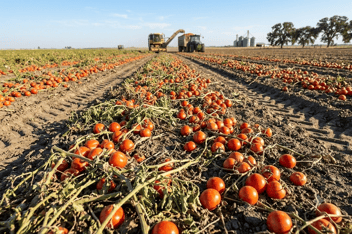
Horticultura del Sureste is one of the companies within an agricultural group with a significant presence in southeast Spain. Over the year, it works between 350 and 400 hectares of vegetables, with several crop rotations: lettuce, courgette, pepper, broccoli, melon and watermelon. Each crop has its own calendar, its own technical requirements and its own specific costs.
This diversity means different plans throughout the year, teams in the field, monitoring of consumption, management of working hours and constant tracking of costs by crop. In practice, this means information has to flow quickly and reliably.
Today, between 25 and 30 people use Wisecrop daily at Horticultura del Sureste, from supervisors who record tasks to administrative teams that analyse costs and reports.
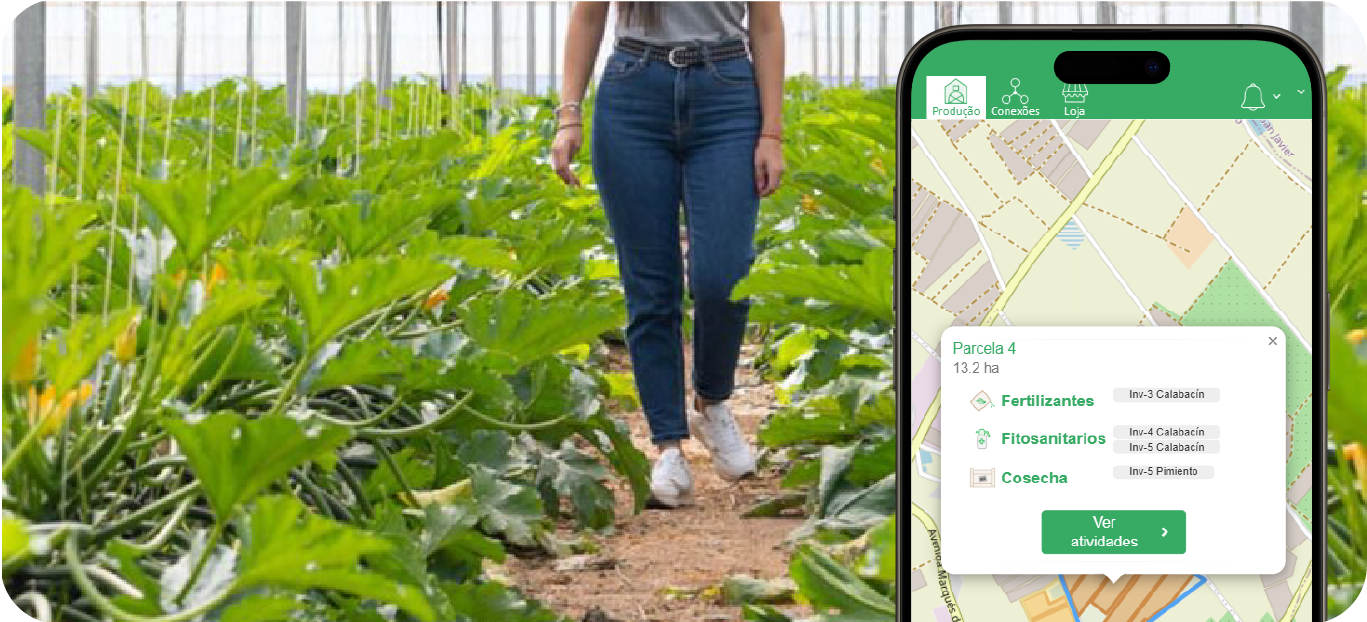
Organising information to trust the numbers
Before the change, the company already worked with a management system. The problem was not the absence of technology, but the difficulty in fully trusting the information it produced. Extracting clear data took time. Filtering by crop, by plot or by season was not always simple. And when information is not fully consistent, analysis is constrained. Israel, finance manager at Horticultura del Sureste, recalls that this was one of the main reasons for seeking another solution: the need to better organise field activities and, above all, to ensure the numbers reflected reality.
“For us it is essential that the crop report is aligned with the accounting. We cannot make decisions on incorrect data .”
In an operation with hundreds of hectares and multiple crops throughout the year, small inaccuracies add up quickly. And when that happens, perception can drift away from real profitability.
When analysis changes how you read the season
One of the most significant impacts of reorganising the information was the ability to confront the feeling on the ground with the final numbers.
“We often think a crop went well. But when we pull the final report, we realise it wasn't as profitable as we imagined .”
Cases like courgette or broccoli showed exactly this. In one recent broccoli cycle, the difference to reaching profitability was just three cents. On a large scale, three cents multiply across tonnes. Without a consolidated view of costs, working hours, consumption and production, that deviation would hardly be identified with precision.
Today, decisions about planning and whether to continue with crops are made on the basis of detailed reports. Analysis no longer depends on experience alone; it is now backed by consistent numbers.
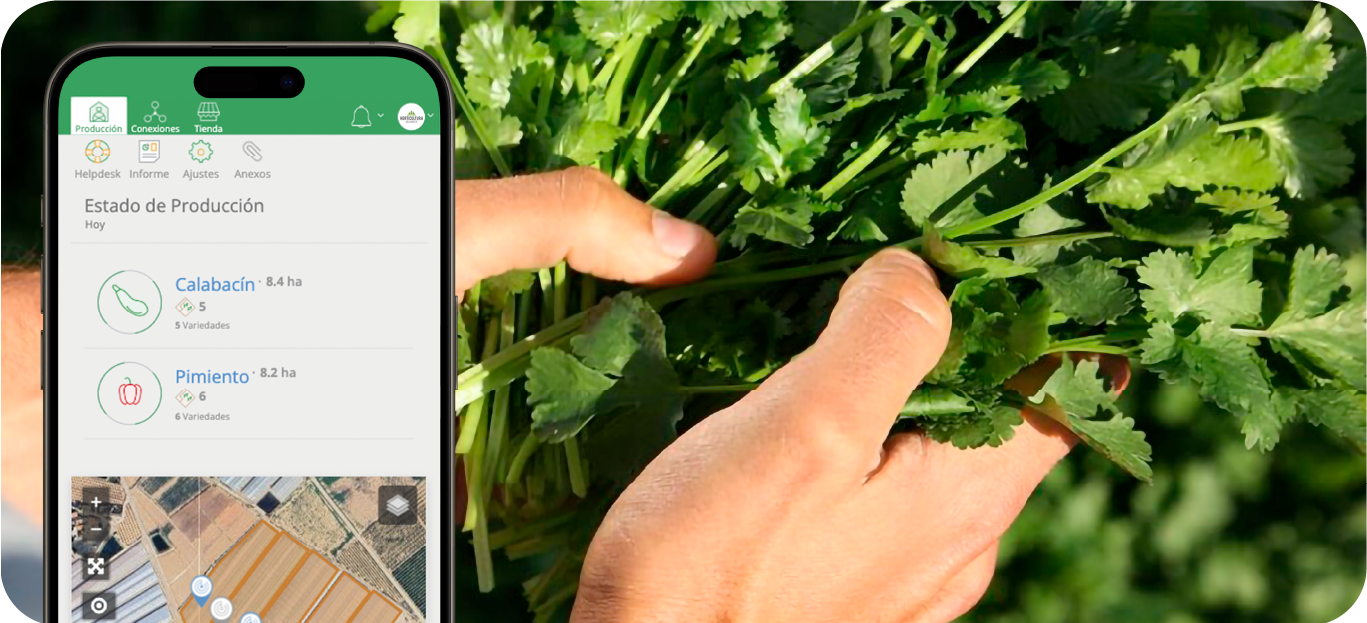
Fewer repetitive tasks, more capacity to analyse
Digitising the recording of hours and tasks in the field made it possible to progressively reduce the use of paper and eliminate part of the repetitive work involved in manually transcribing data.
The company estimates it has cut between 5 and 10 hours of administrative work per month on data entry alone, information that used to be recorded on paper and later typed up. More important than the time saved is the reduction in error and the improvement in data quality.
At the same time, analyses that were previously out of reach became possible, such as productivity indicators in kilos per hour. This kind of information makes it possible to assess teams, compare seasons and identify opportunities for improvement with greater objectivity.
A path that continues
For Israel, digitisation in the agricultural sector is an inevitable process.
He recently completed training in digital transformation applied to the agri sector, reinforcing his conviction that companies will have to structure their processes better and integrate tools that make management easier.
At Horticultura del Sureste, the work is not finished. The goal is to keep reducing paper, improve integration with accounting and automate tasks wherever possible. If he had to sum up the platform they use in one phrase, the definition is simple: "Agile, intuitive and simple."
But for the company, the impact goes beyond simplicity. In a context where small differences determine the profitability of a season, the ability to organise information and trust the numbers has become a central part of management.
And in an increasingly demanding sector, deciding on the basis of data is no longer an advantage. It is a condition for continuing to grow.